

Key Facts
- Residential credit value: 0% for customer-owned systems.
- Effective expiration date: December 31, 2025.
- Past project rollover: Unused old credits still carry forward.
- Solar lease options: Third-party owners claim the credit.
- Indirect customer savings: Providers pass down incentives via lower rates.
- Commercial tax credit: Stands at a base rate of 30%.
- Battery storage qualification: Standalone commercial batteries remain eligible.
- Begin project construction: Must start before July 4, 2026.
- Place in service: Must be operational by December 31, 2027.
- Verify equipment sourcing: Compliance rules restrict prohibited foreign entities.
For more details about the credit visit the Solar Energy Industries Association website.
In addition to the federal tax incentive - tax credits are also available through your state taxes. Check out the directory to find out what savings exist in your state.

Who Qualifies
The commercial entity that owns a system that is powered by solar energy. Leasing a solar powered system does not quality for the solar ITC. The organization that you’re leasing from would get the tax credit. [source]

How to Claim
Claiming the solar tax credit is easy. If you discover that you qualify for the solar tax credit, fill out Form 5965 from the IRS found here. This form will certify that you are qualified to receive renewable energy credits. Then, just add your renewable energy credit information to a standard 1040 form found here, and you’re done!

Solar Growth
Since the Energy Policy Act was passed in 2005, the solar industry has grown tremendously. With the price-per-watt of solar panels at an all time low and efficiencies higher than ever, individuals and organizations are saving billions a year by switching to solar.
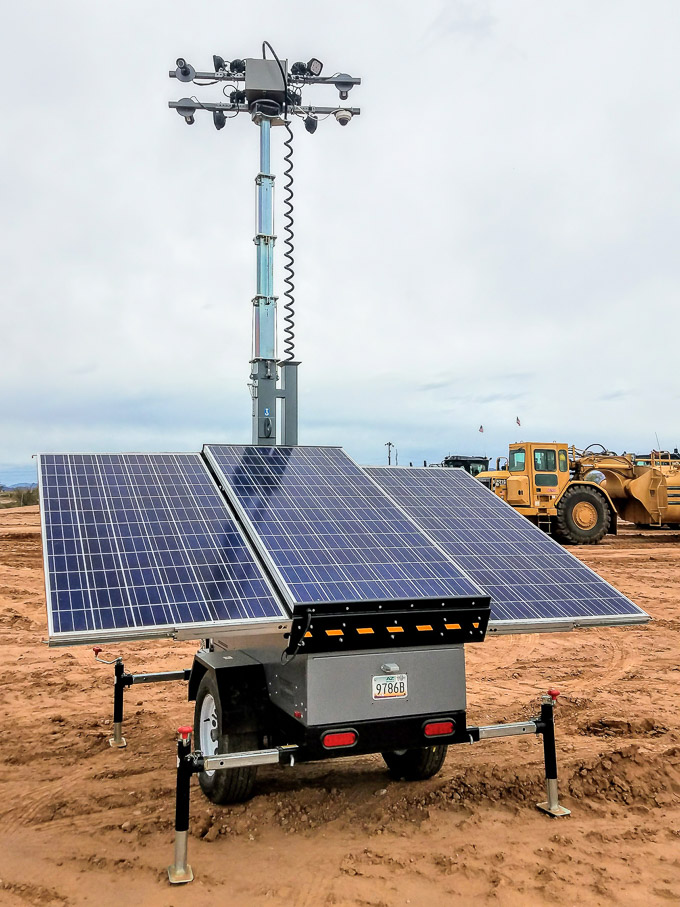
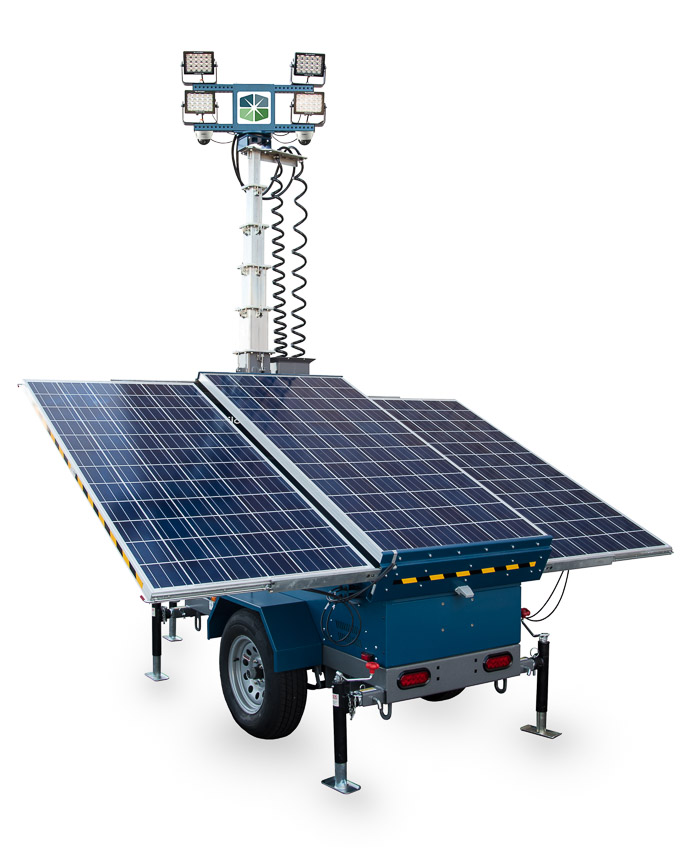
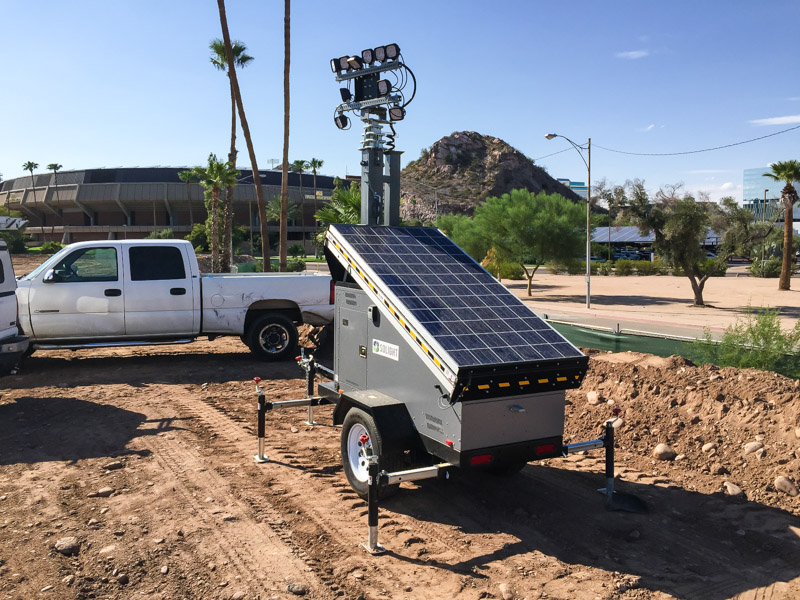
This growth is expected to continue rising exponentially over the next five to ten years, especially as countries such as the United States, China, and India continue to construct massive solar farms. Applications of solar energy are expanding beyond solar farms and roof installations as well. Solight, for instance, uses solar energy to power mobile light towers as a clean, inexpensive, and equally bright replacement to diesel light towers.
Solight is not a tax advisor. Taxpayers claiming a tax credit should consult a tax professional with any questions. Solight is not responsible or liable for the taxpayer’s ability to receive tax credits. This document is not intended to constitute legal or tax advice. More comprehensive information will be made available by the IRS.